Pests pose a real threat to existing homes, new homes and commercial buildings. Termite surveys have found that 1 in 3 homes in Australia will be affected by termites at some stage. This is more prevalent than damage caused by fire, storm and flood combined. All too often we see the presence of these silent invaders go undetected until the damage is done.
Do not let this happen to you! Make sure you get a inspection done, because you will find that here at Eureka Home Inspections we are committed to the welfare of your home.
We highly recommend a termite inspection at least once every 12 months and once every 3 to 6 months for high risk areas. We experience firsthand the many horror termite stories and we don’t want it to happen to you. Cairns is a high risk area for termites and you should have an inspection at least every 6 months.
An inspection only takes 1 to 2 hours and we will detect if there is any evidence of termite activity. If there is evidence, we will then let you know the next steps to take. However, the saying is so true for pest control, prevention is the best cure!
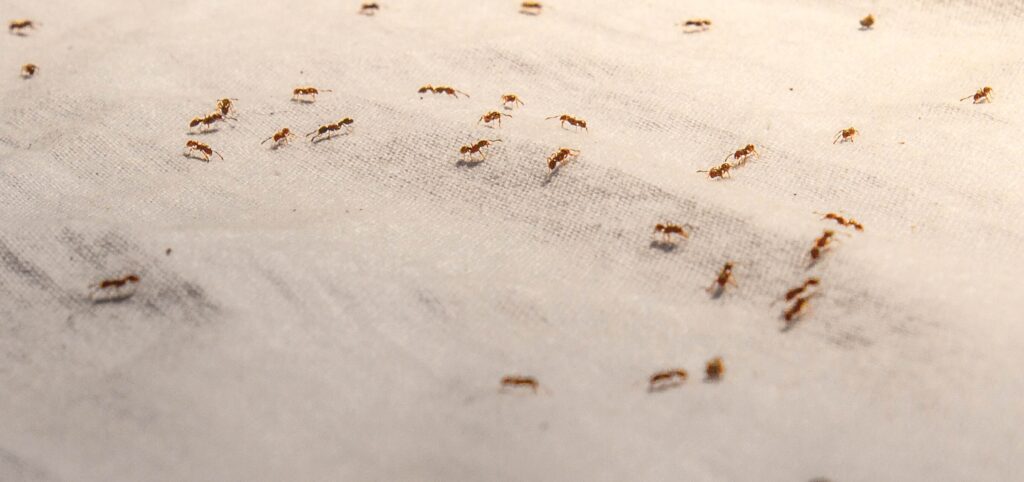
Ants
Ants are more active in the warmer months. During dry periods ants occasionally come inside in search of water, you may see them in bathrooms or other humid parts of the house. Heavy rains can also cause ant nests to flood and force them to relocate to nearby buildings, such as your house.
Ants are driven by the environment. Key factors involve the changing environment such as weather. If you notice ants are ascending up a wall, or into your roof, then it’s quite likely that there will be rain coming, as ants are particularly sensitive to barometric pressure, and will seek higher ground if they are predicting rain. They may also simply be heading to a palatable food source, such as food crumbs, or sugar. Some ants will consume decayed timber, so there are many conditions which can affect their behaviour.
Ant treatments can be very effective once the feeding preferences have been determined, however they can ‘seem’ to return after a recent ant treatment, without realizing that once an ant colony has been eradicated, another one may quickly take it’s place.
Why choose professional ant control over DIY?
Our highly skilled technicians complete regular training courses to keep their ant knowledge updated. That means they’re aware of the latest and most environmentally friendly solutions that will go the distance. We also have specialised equipment and products that are only available to registered pest controllers.
What damage can ants cause?
Ants look unsightly and can cause damage to structures and people. They can spoil foodstuffs and invade wall cavities, electrical equipment and roof voids. While they don’t carry disease themselves, they can traffic dirt and other unhygienic substances. They can also bite! As they nest in large colonies, an infestation can quickly become a problem
When and where are ants most active?
As they’re cold blooded, Ants just love the warmth. Ant populations generally increase with warmer climates and the level of humidity; or you’ll see them in winter as they invade your house to take shelter. However, the main reason they’re in your house is for food and supplies! Your kitchen is a prime location for an infestation.
What are the signs of an infestation?
There are usually NO signs of an infestation – until you see them! Ants are tiny and hide in crevices until they come out to hunt for food or water. There are likely multiple access points in your house which you’ll need to seal. Our treatment will also help keep them away for a long period of time.
What are ants attracted to?
Ants are looking for a pleasant temperature and moisture. Which is why they love the kitchen! Any spillages of water or juice should be wiped up immediately – ants love sweetness and are attracted by the smell of honeydew and sugar. It’s also important to store food in the fridge and seal packets of food.
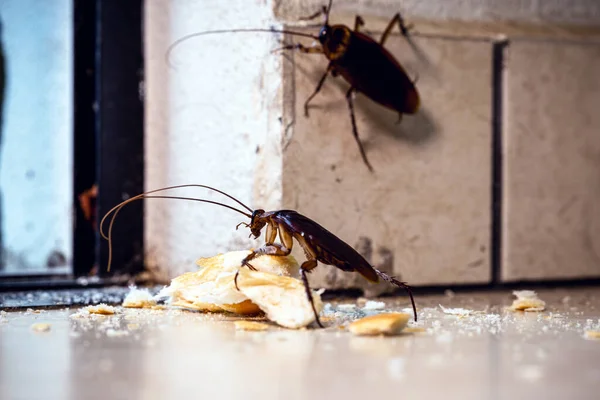
Cockroaches
Cockroaches have oval shaped bodies and their bodies are oily to the touch. Their colour is mostly brown to dark reddish with a small head covered by a pronotum. They have six long spiky legs that allow them to run at any surface. They have wings flattened across their back with two long antennae. Male cockroach is usually smaller than the females.
Cockroaches are quite an adaptable insect in their environment but mostly prefer to live in warm conditions. Mostly active during the night foraging for food and water, they can be found in bathrooms, kitchen sinks if there is left over food, kitchen cupboards and in some areas around the home where there is access to food and water. Because of their flattened shaped bodies, they are able to easily transfer from one unit to another through the shared plumbing pipes. Cockroaches communicates with other cockroach by leaving chemical trails in their faeces. In a home when a large number of cockroaches are present it can be noticed through the mild musky odour in the area and cockroach dropping is also found in areas like the drawers and counter-tops, sometimes inside cupboards. Cockroach faecal staining is also commonly found. They feed on almost any food they find but is not limited to bookbinding and soap.
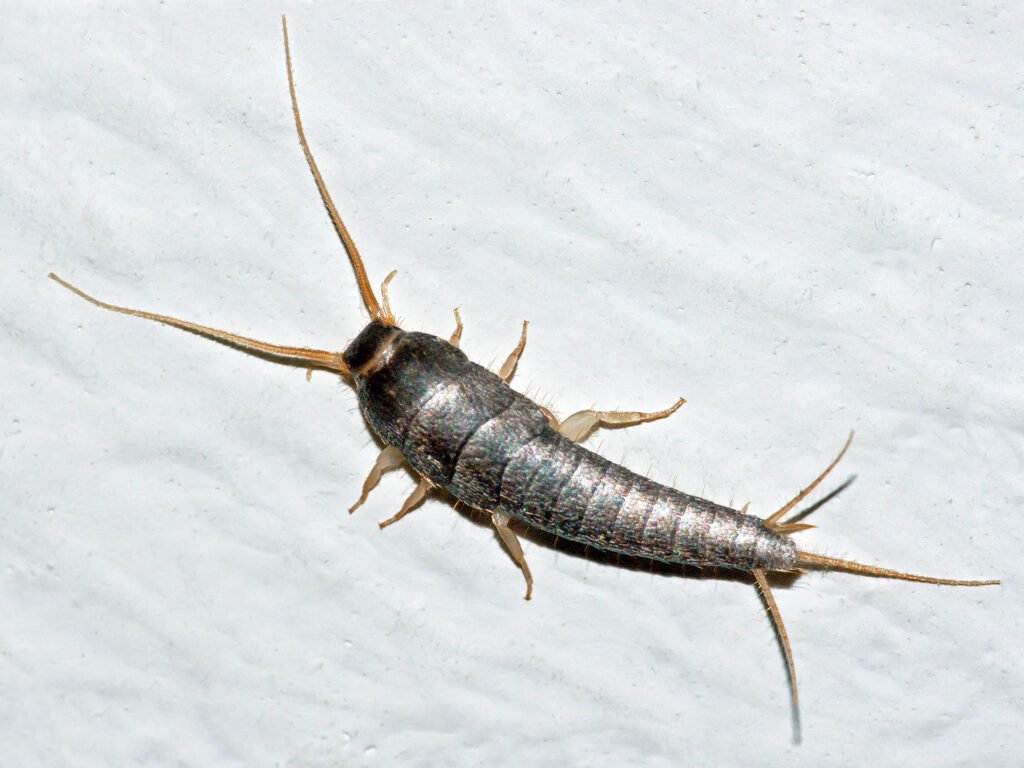
Silverfish
The most common colour of silverfish is silver, some species can also have slight brown to blue wash through their colour appearance. Their size can rage from 12 to 30mm and their body is shaped like a tear-drop. They have 3 bristles with on their rear and two long antennae on the front.
Silverfish can survive in all climates but prefer dark or damp areas. Most home owners find them in shoe boxes, cupboards, sheds, and garages and also your walk in wardrobe. Their diet consists of material including sugars or starch. They have known to eat glue in books, linen and silk clothes.
Silverfish reproduction can differ depending on species; some species lay a small amount of eggs per day, maybe 2 to 6. Where other species can lay 4 to 25 eggs. Their eggs are small and oval looking; they are approximately 0.8mm long and taken between 2 to 4 weeks to hatch.
How to prevent silverfish in your home
- Remove any moisture in dark areas around your home, as they are addicted to moisture
- Provide proper ventilation in your bathroom during and after showering
- Remove junk in your bathroom and hang wet towels
- Remove any still water
- Repair cracks on the walls as it is a favorite hang out for silverfish
- Hire a pest professional to regularly treat your property for pests including silverfish
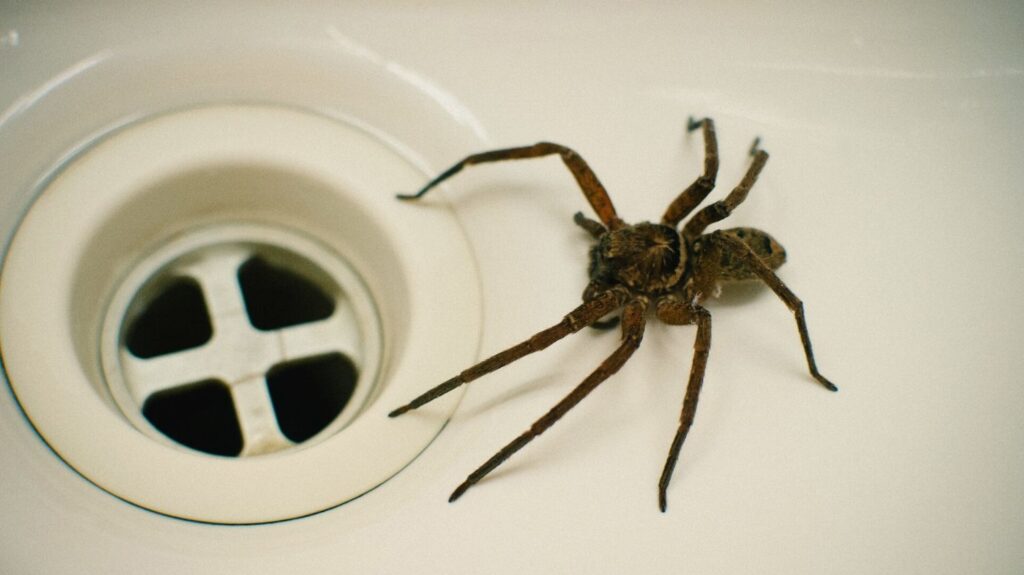
Spiders
These Eight legged pests can cause a fright or even a bite for you a family member. Spider control is an essential part of successful pest management.
Spiders can be split into two groups. Webbing, and running spiders. Webbing spiders such as Redbacks and Black House Spiders rely on silk for their movement, and will generally not stray too far away from their webs. Control of these spiders is relatively straightforward with a direct application of the product onto the spider. Externally, reducing the amount of foliage around the building will limit webbing spiders from setting up camp right where you are likely to walk.
Running spiders such as Huntsman and White Tailed Spiders also need to be contacted directly by the treatment product as residual effect is almost non existent. Treatment involves an integrated general pest treatment, along with a crack and crevice treatment for wall cavities and ceiling void areas.
End of lease pest control
Did you know end of lease pest control treatments are required for every rental agreement, especially if dogs and cats are living in the property? Moving between, to or from a rental property can be stressful without the added pressure of ensuring the home is pest free. If you’re moving in then it’s important to ensure that you’re moving into a clean and pest free environment. If you’re moving out, unwanted pests like cockroaches, ants, fleas, spiders can make it difficult to get your rental bond back. We can take care of your end of lease pest control and ensure the property remains pest free.